You are designing a bilingual product poster. The headline is in English, the feature list is in Mandarin, and there is a QR code label in Japanese at the bottom. You type the entire layout into GPT Image 2. The English headline is perfect. Two of the twelve Chinese characters are subtly wrong, and the Japanese label is close but not quite right.
You hear that Alibaba just released Qwen Image 3.0 with native 12-language text rendering. You paste the same prompt. Every character is correct. But when you look at the overall composition, GPT Image 2's version has better lighting and a more polished product shot.
This is the central tension between these two models in July 2026: Qwen Image 3.0 pushes the boundaries on multilingual text and structured content, while GPT Image 2 remains the more mature all-rounder with superior world knowledge and photographic polish. The right choice depends entirely on what you need to generate.
Quick Answer: Qwen Image 3.0 vs GPT Image 2
If you want the short version before we dig into the details, here is where each model leads:
| Category |
Qwen Image 3.0 |
GPT Image 2 |
Leader |
| Text rendering (Latin) |
High accuracy, 20+ fonts |
99% accuracy |
GPT Image 2 |
| Text rendering (CJK/multilingual) |
12 languages, 10px readable |
~90-99% CJK, weaker on rare chars |
Qwen Image 3.0 |
| Max prompt length |
4,500 tokens |
~1,000 tokens (estimated) |
Qwen Image 3.0 |
| Structured outputs |
Diagrams, infographics, UI layouts |
Good at layouts, less complex |
Qwen Image 3.0 |
| Photorealism |
Strong, photographic quality |
Polished, neutral color balance |
GPT Image 2 |
| Image editing |
Unified gen + edit pipeline |
Conversational editing via ChatGPT |
Tie |
| World knowledge |
Growing, internet-connected |
Extensive, from GPT-4o backbone |
GPT Image 2 |
| Max resolution |
Not yet disclosed |
4096x4096 |
GPT Image 2 |
| Open-source history |
Previous versions Apache 2.0 |
Fully closed |
Qwen Image 3.0 |
| Ecosystem integration |
Alibaba Cloud, API |
ChatGPT, OpenAI API, third-party |
GPT Image 2 |
The summary: Qwen Image 3.0 wins on multilingual text rendering and prompt complexity. GPT Image 2 wins on ecosystem maturity, general photorealism, and proven reliability at scale. Both are capable models, and which one is "better" depends on your specific workflow.
Background: How We Got Here
Understanding where these models came from helps explain their design priorities.
Qwen Image: From Open-Source Underdog to Contender
Alibaba's image generation journey follows a clear trajectory:
- Qwen Image 1.0 was a 20-billion-parameter model that established the foundation for text-in-image rendering, particularly for Chinese characters.
- Qwen Image 2.0 scaled down to 7 billion parameters while improving quality significantly. It reached the number one position on the AI Arena leaderboard for image generation and was released under an Apache 2.0 license on HuggingFace, making it one of the most capable open-source image generators available.
- Qwen Image 3.0, released July 21, 2026, represents a significant capability jump focused on three pillars: ultra-long prompts, multilingual text fidelity, and structured visual content like diagrams and infographics.
Qwen's official introduction to Qwen Image 2.0, the open-source predecessor that established the foundation for the Qwen Image 3.0 generation.
One important note: Qwen Image 3.0 launched without benchmark tables, parameter counts, downloadable weights, or a technical report. This is an unusual departure for a team that previously championed open-source releases. Whether weights follow later remains to be seen.
GPT Image 2: OpenAI's Reliable Workhorse
GPT Image 2 emerged from OpenAI's steady iteration on image generation within the ChatGPT ecosystem:
- It builds on the GPT-4o multimodal backbone, giving it access to extensive world knowledge that informs image composition and context.
- It achieved near-perfect text rendering for Latin scripts (99% accuracy) and made major strides in CJK rendering, bringing Chinese character accuracy from "decorative scribbles" in earlier versions to roughly 90-99% depending on character complexity.
- Native support for up to 4096x4096 resolution and conversational editing makes it a practical production-ready image tool.
- Full API access through OpenAI's platform has driven broad third-party integration across dozens of platforms.
Text Rendering: The Defining Battleground
Text rendering is where the gap between these models is most meaningful, and where your choice matters most.
Latin Script (English, Spanish, French, etc.)
GPT Image 2 set the standard here with its claimed 99% character-level accuracy. In practice, single-word and short-phrase rendering is nearly flawless. Multi-line text blocks at smaller sizes can still produce occasional errors, but for headlines, logos, and UI mockups, it is remarkably reliable.
Qwen Image 3.0 supports over 20 fonts and claims legibility down to 10 pixels. While Alibaba has not published a direct accuracy percentage, their demo materials show clean Latin text rendering that appears competitive with GPT Image 2.
Edge: GPT Image 2, based on established track record and independent verification.
CJK and Multilingual Text
This is where Qwen Image 3.0 makes its strongest case. The model natively renders text in 12 languages, including Chinese (simplified and traditional), Japanese, Korean, Arabic, and Hindi. This is not a bolt-on feature; it was a core design priority given Alibaba's market.
GPT Image 2 made dramatic improvements in CJK rendering. According to reports, common Chinese characters (the 3,500 primary-use set) are almost never wrong. However, rarer characters, mixed-language layouts, and dense CJK text blocks still present challenges. The model was not built CJK-first, and that shows in edge cases.
For a bilingual poster mixing English and Chinese, or a product label that needs Japanese and Korean simultaneously, Qwen Image 3.0's native multilingual architecture gives it an advantage.
Edge: Qwen Image 3.0, particularly for mixed-language content and non-Latin scripts.
Text Rendering Comparison
| Scenario |
Qwen Image 3.0 |
GPT Image 2 |
| English headline on a poster |
Clean, multiple font options |
Near-perfect, proven at scale |
| Chinese product description |
Native rendering, high fidelity |
Good for common chars, occasional errors on rare chars |
| Mixed English + Japanese label |
Handles natively in one pass |
Works but may need manual correction |
| Arabic right-to-left text |
Supported natively |
Limited support |
| Text below 12px |
Claims 10px readability |
Accuracy drops at very small sizes |
| Dense paragraph (50+ words) |
Benefits from 4,500-token context |
Better suited to shorter text blocks |
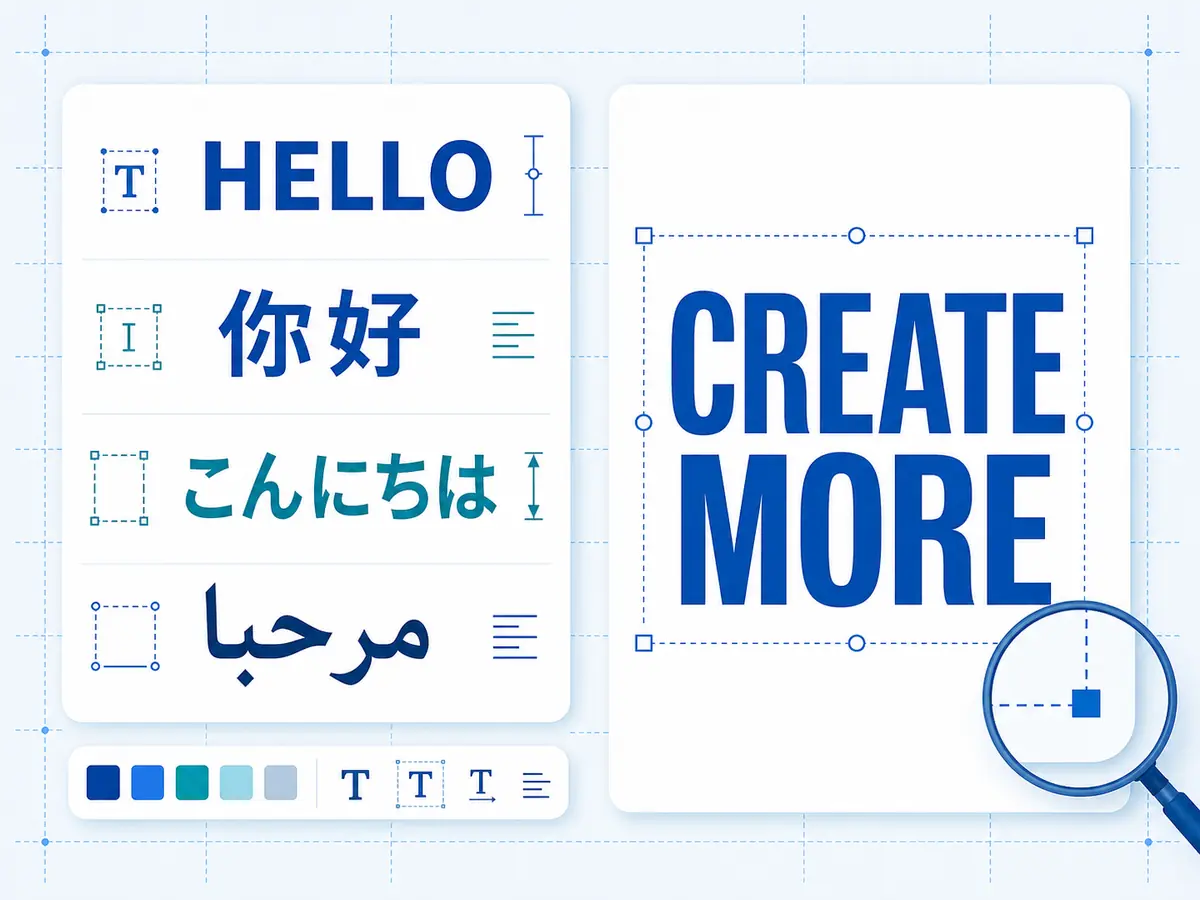
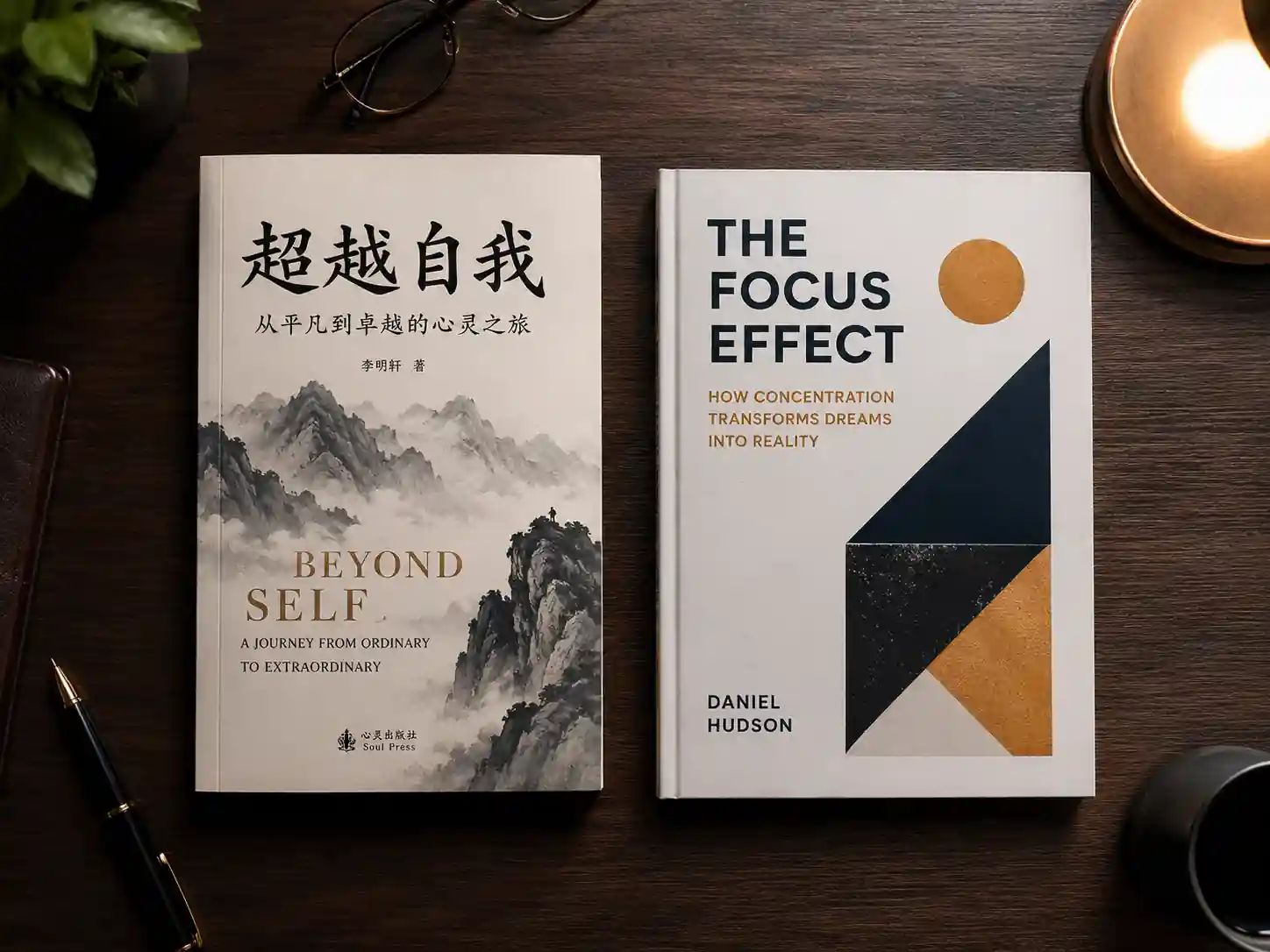
Conceptual typography workflow illustrating multilingual and Latin-script design needs; this is not a benchmark screenshot.
Prompt Length: Why 4,500 Tokens Changes the Game
One of Qwen Image 3.0's most practical advantages is its 4,500-token prompt capacity. To understand why this matters, consider what you can fit in that space.
A typical image generation prompt is 50 to 150 tokens. A detailed one might reach 300 tokens. At 4,500 tokens, you can describe:
- A complete infographic with nine distinct panels, each with its own content, labels, and layout instructions
- A full web page mockup with header, navigation, hero section, feature grid, and footer
- A technical diagram with labeled components, arrows, annotations, and a legend
- A multi-character scene with individual descriptions, positions, expressions, and interactions
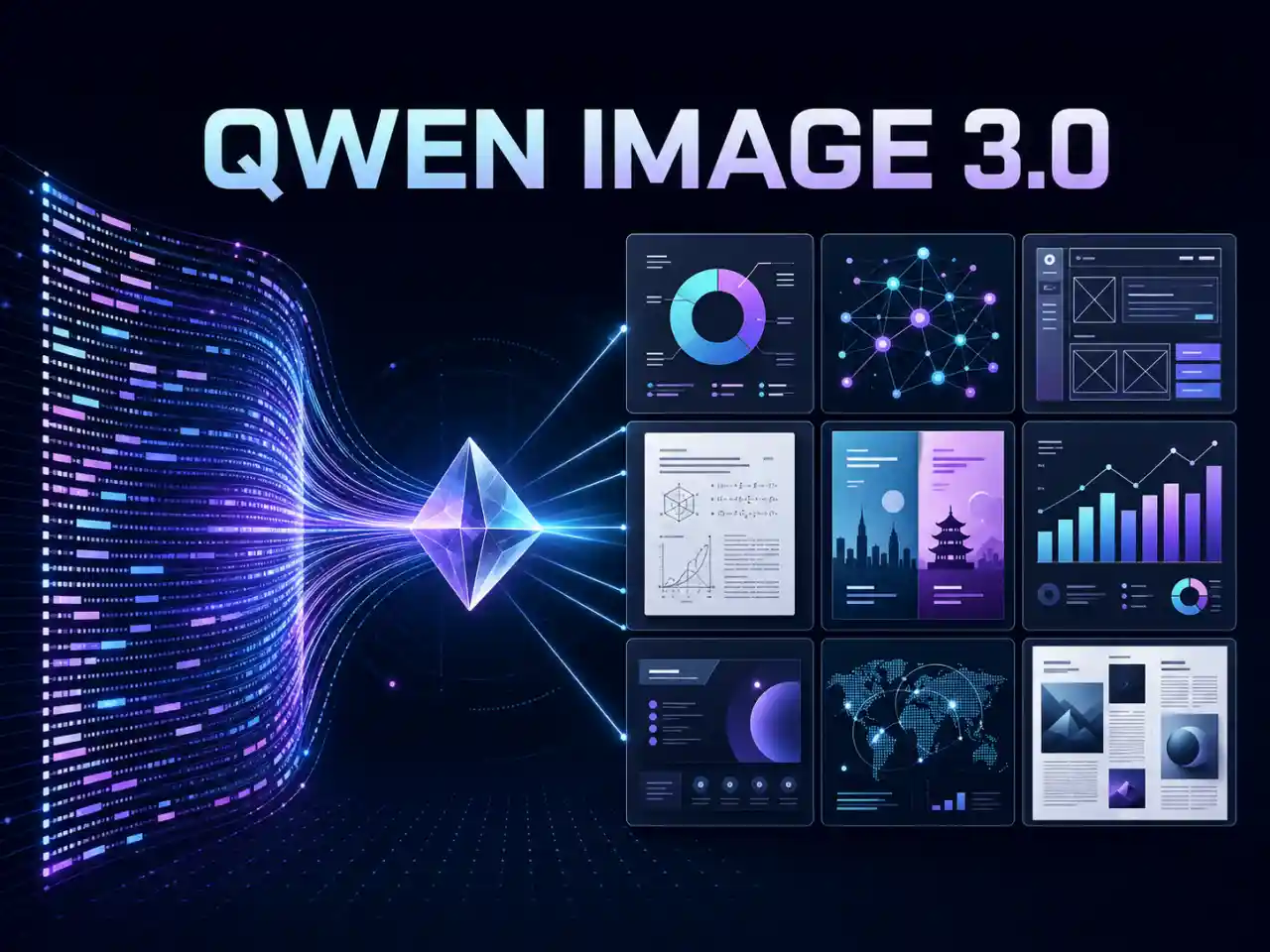
Alibaba's centerpiece demo is a 3x3 grid of unrelated infographics, covering physics diagrams, group-theory proofs, and biology explainers, all generated from a single 3,700-token prompt. This is not something you can replicate with GPT Image 2's shorter context window.
GPT Image 2 does not publish an exact token limit, but practical testing shows it handles prompts well up to roughly 1,000 tokens. Beyond that, it begins to drop or reinterpret elements. For most creative workflows (product shots, social media graphics, portraits), this is more than enough. But for information-dense visuals, Qwen Image 3.0's longer context is a genuine differentiator.
When Prompt Length Matters
| Use Case |
Short Prompt (< 200 tokens) |
Long Prompt (1,000+ tokens) |
| Social media graphic |
Both models work well |
Not needed |
| Product photography |
Both models work well |
Not needed |
| Infographic with data |
GPT Image 2 struggles |
Qwen Image 3.0 excels |
| UI/UX mockup |
Both handle simple layouts |
Qwen Image 3.0 handles complex layouts |
| Technical diagram |
Limited detail possible |
Qwen Image 3.0 can include full annotations |
| Educational poster |
Basic layout works |
Qwen Image 3.0 can include multiple sections |
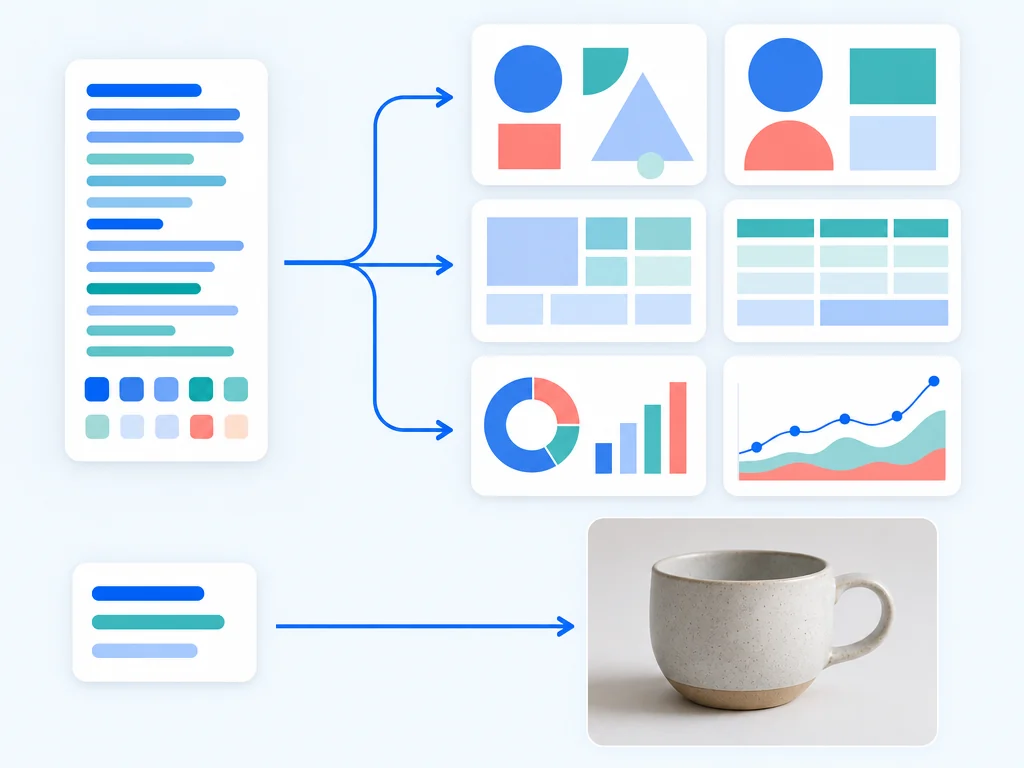
A conceptual view of how prompt complexity can shape output complexity.
Image Quality and Photorealism
Both models produce high-quality images, but their strengths differ.
GPT Image 2
GPT Image 2 is known for a neutral, accurate color balance. This makes it particularly strong for:
- Product photography mockups where color fidelity is non-negotiable
- Brand-consistent marketing materials that need to match specific palettes
- Clean, professional compositions with controlled lighting
The model benefits from GPT-4o's extensive training data, which gives it strong "world knowledge." Ask it to generate a realistic coffee shop interior, and it understands the typical layout, lighting, signage, and atmosphere. This implicit understanding of how the world looks produces naturally convincing images without requiring exhaustive prompting.
Maximum resolution reaches 4096x4096, making it suitable for print-quality output.
Qwen Image 3.0
Qwen Image 3.0 claims photographic-quality texture reproduction for materials like skin, hair, fabric, and paper. Based on released examples, the model produces naturalistic compositions with strong detail.
Where Qwen Image 3.0 distinguishes itself in quality is structured content. The model can generate:
- Knowledge graphs with properly connected nodes and labeled edges
- UI layouts that look like actual application interfaces
- Diagrams with accurate spatial relationships between components
- Infographics that combine data visualization with explanatory text
These are not just "images that contain text." They are structured visual documents where layout, hierarchy, and information architecture matter.
Quality Comparison
| Aspect |
Qwen Image 3.0 |
GPT Image 2 |
| Color accuracy |
Naturalistic |
Neutral, no color cast |
| Texture detail |
Photographic quality claimed |
Proven high quality |
| World knowledge |
Growing |
Extensive |
| Structured content |
Diagrams, graphs, UI layouts |
Good layouts, less complex structures |
| Resolution |
Not disclosed |
Up to 4096x4096 |
| Artistic flexibility |
Multiple style capabilities |
Strong with detailed style prompts |
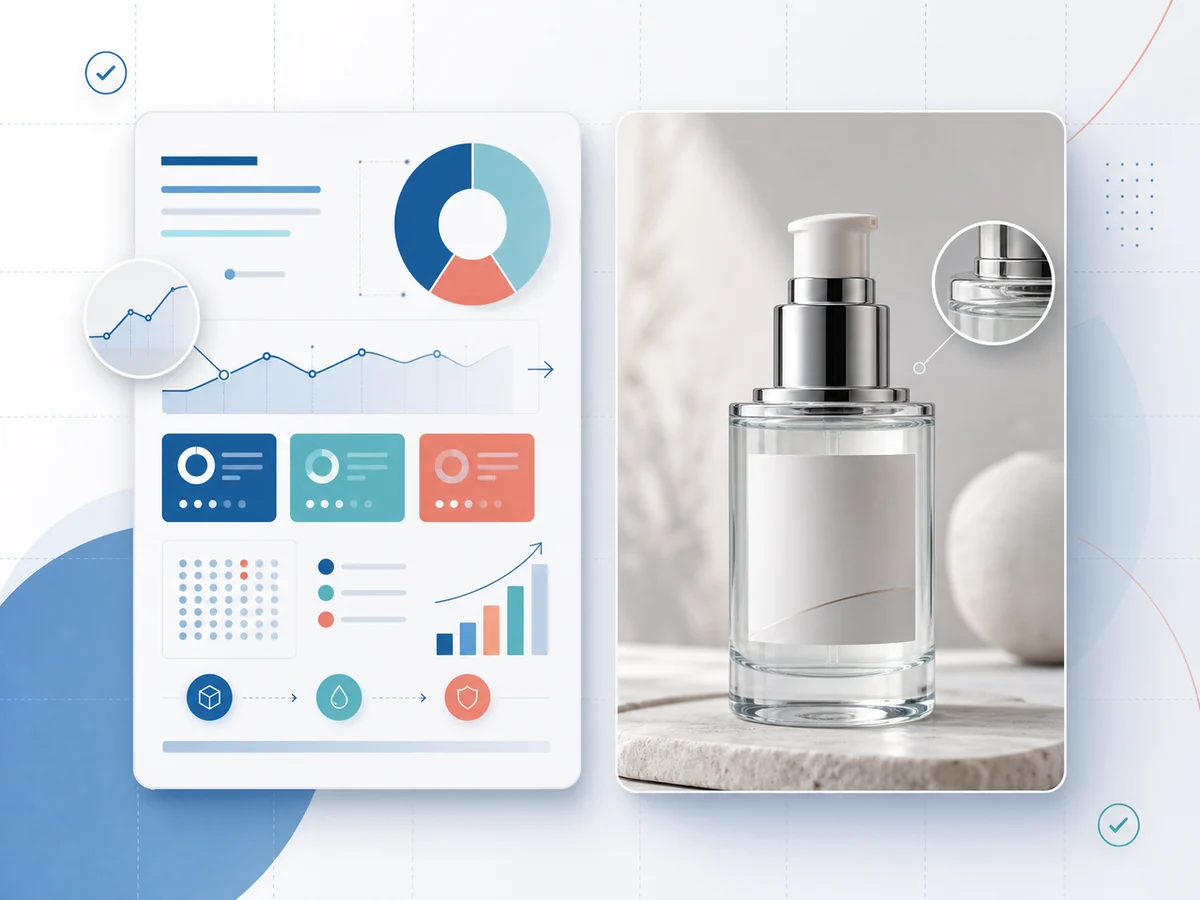
Structured visual documents and photorealistic commercial imagery represent two different quality strengths.
Image Editing Capabilities
Both models offer image editing, but their approaches differ.
Qwen Image 3.0 uses a unified generation and editing pipeline. The same model handles creation and modification, supporting style transfer, object insertion/removal, detail enhancement, in-image text editing, and pose manipulation through text prompts.
GPT Image 2 offers conversational editing through ChatGPT. Describe changes in natural language ("make the background blue," "remove the text in the corner"), and the model applies them iteratively.
Edge: Tie. Both are capable. Qwen may handle text-specific edits better; GPT Image 2's conversational flow is more intuitive for general editing.
Pricing: What Each Model Actually Costs
Pricing determines which model is practical for your workflow, not just which one is technically better.
On third-party AI platforms, both models are available under a unified credit system:
| Model |
1K Resolution |
2K Resolution |
4K Resolution |
| Qwen Image 2 |
3 credits |
-- |
-- |
| GPT Image 2 |
3 credits |
5 credits |
8 credits |
| GPT Image 2 Stable |
4 credits |
8 credits |
24 credits |
Note: Qwen Image 3.0 pricing will be updated once the model becomes available on the platform.
Plan Costs
| Plan |
Monthly Price |
Credits |
Cost per Image (at 1K) |
| Free check-in |
$0 |
30 credits/week |
~$0 (10 images/week) |
| Basic |
$11.90/mo |
100 credits |
~$0.36/image |
| Standard |
$29.90/mo |
300 credits |
~$0.30/image |
The credit system means you can compare both models with the same prompt using the same account. Generate an image with GPT Image 2, then try the same prompt with Qwen Image 2 (and eventually 3.0), and see which output works better for your specific need.
For users who want to test both models before committing, the free weekly check-in of 30 credits provides enough to generate 10 comparison pairs.
Direct API Pricing
If you are accessing these models through their respective APIs:
- GPT Image 2 via OpenAI's API: pricing varies by resolution and quality setting, typically $0.02-0.08 per image.
- Qwen Image 3.0 via Alibaba Cloud: pricing not yet fully disclosed for 3.0, but Qwen Image 2 was competitively priced on Alibaba's DashScope platform.
Open-Source and Transparency
This category reveals a philosophical divide between the two teams, and a recent shift from Alibaba.
Qwen's Open-Source Track Record
Qwen Image 1.0 and 2.0 were both released with full weights under Apache 2.0 licenses on HuggingFace. The 20-billion-parameter 1.0 model and the more efficient 7-billion-parameter 2.0 model are both available for download, fine-tuning, and commercial use. This made Qwen Image 2.0 one of the most capable open-source image generators in existence.
However, Qwen Image 3.0 launched without weights, without a technical report, without benchmark comparisons, and without a license declaration. This is a significant departure. It means you currently cannot run Qwen Image 3.0 locally, fine-tune it for your domain, or independently verify its capabilities. Whether Alibaba will follow up with an open release is unknown.
GPT Image 2's Closed Approach
GPT Image 2 has always been fully closed. No weights, no architecture details beyond marketing materials, no option for self-hosting. Access is exclusively through OpenAI's API and ChatGPT. This is consistent with OpenAI's approach across their model line.
What This Means for You
| Consideration |
Qwen Image (1.0/2.0) |
Qwen Image 3.0 |
GPT Image 2 |
| Self-hosting |
Yes (Apache 2.0) |
Not available |
Not available |
| Fine-tuning |
Yes |
Not available |
Not available |
| Independent benchmarks |
Available |
Not available |
Limited |
| Vendor lock-in risk |
Low (for 1.0/2.0) |
Currently high |
High |
| Data privacy (local run) |
Full control (for 1.0/2.0) |
API only |
API only |
If data privacy and vendor independence are priorities, Qwen Image 2.0 remains your best option for self-hosted image generation. Neither Qwen Image 3.0 nor GPT Image 2 currently offers that flexibility.
Ecosystem and Integration
GPT Image 2 has a substantial lead in ecosystem maturity.
GPT Image 2 benefits from OpenAI's broad platform adoption. It is available through:
- ChatGPT (web, mobile, desktop)
- OpenAI API with full documentation
- Dozens of third-party platforms and integrations
- Integration with GPT-4o for multimodal workflows (analyze an image, then generate a variation)
Qwen Image 3.0 is currently accessible through:
- Alibaba's Qwen platform
- DashScope API (Alibaba Cloud)
- Growing but smaller third-party ecosystem
- Integration with the broader Qwen model family (Qwen3 LLM, Qwen3-VL vision)
For developers building applications, GPT Image 2's API documentation, SDKs, and community resources are more extensive. For users in the Alibaba Cloud ecosystem or building for Chinese-speaking markets, Qwen's integration with Alibaba's infrastructure is a natural fit.
Edge: GPT Image 2, due to broader platform availability and more mature documentation.
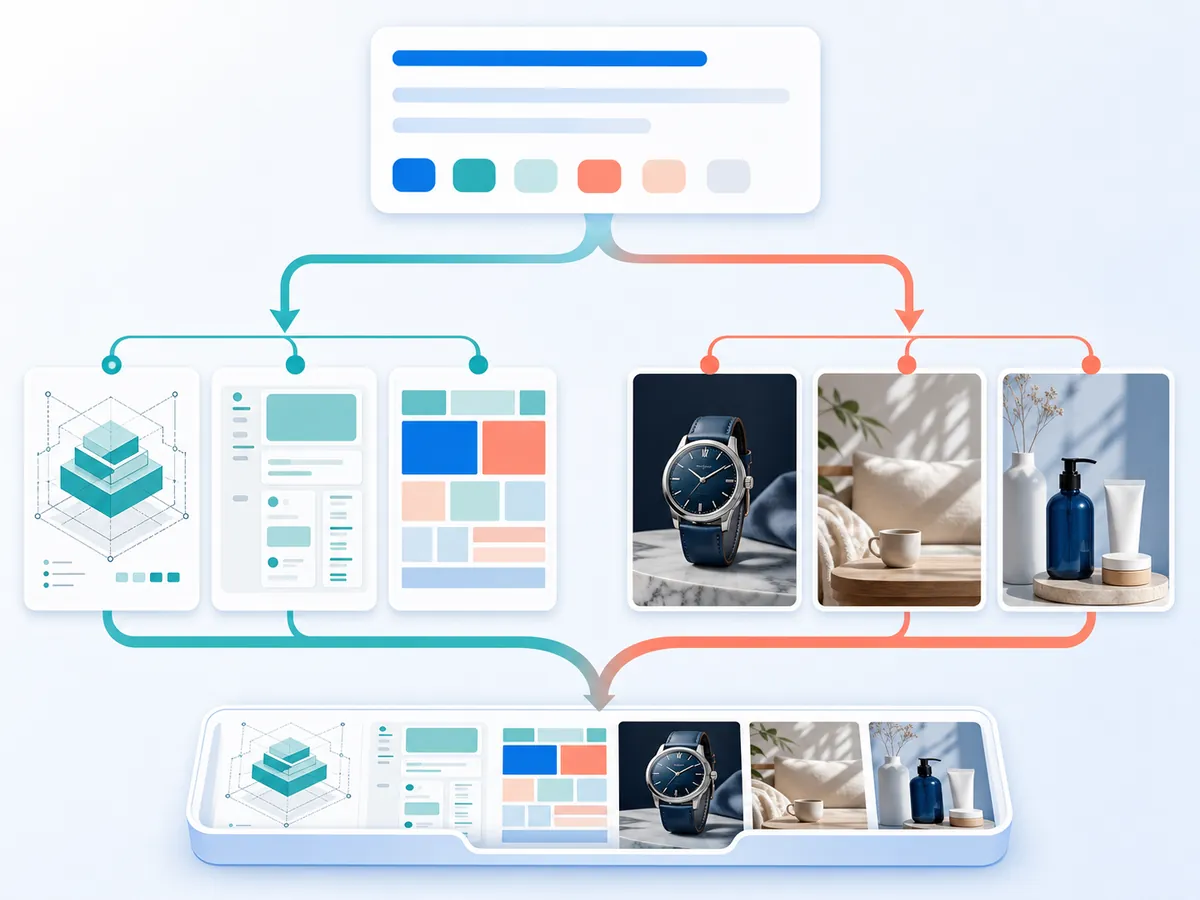
Choose the workflow based on the task: structured design and polished photography can both be valid endpoints.
If You Need X, Choose Y
After examining both models across every major capability, here are concrete recommendations:
Choose Qwen Image 3.0 if you need:
- Multilingual text in images: 12 languages with native rendering makes it the clear choice for content that mixes CJK characters with Latin text, or needs Arabic, Hindi, or other non-Latin scripts.
- Information-dense visuals: Infographics, educational diagrams, knowledge graphs, or any image where 4,500 tokens of prompt space lets you specify complex layouts in a single pass.
- Structured visual content: UI mockups, technical diagrams, or document-style images where layout hierarchy and information architecture matter as much as visual quality.
- CJK-first workflows: If your primary audience reads Chinese, Japanese, or Korean, Qwen's text rendering was built for this from the ground up.
Choose GPT Image 2 if you need:
- Proven reliability at scale: GPT Image 2 has been in production longer, with more independent testing and a larger user base validating its capabilities.
- Product photography and brand work: The neutral color balance, extensive world knowledge, and 4K resolution make it the safer choice for commercial product imagery.
- Ecosystem integration: If you are building on OpenAI's platform or need API access with mature documentation, GPT Image 2 is the pragmatic choice.
- English-primary text rendering: For Latin-script text, GPT Image 2's 99% accuracy remains the benchmark.
- Conversational editing workflow: If you prefer iterating on images through natural-language conversation, GPT Image 2 through ChatGPT is more polished.
Choose both if you can:
The most practical approach is not choosing one exclusively. Several AI image platforms now offer both models under a single credit system, letting you generate with one and compare the same prompt on the other to see which output fits your need.
FAQ
Is Qwen Image 3.0 better than GPT Image 2?
It depends on the task. Qwen Image 3.0 leads in multilingual text rendering (12 languages natively), ultra-long prompt support (4,500 tokens), and structured visual content like diagrams and infographics. GPT Image 2 leads in overall photorealism, ecosystem maturity, 4K resolution support, and Latin-script text accuracy. Neither model is universally better than the other.
Can Qwen Image 3.0 render Chinese text accurately?
Yes. Chinese text rendering is a core strength of the Qwen Image line, built by Alibaba specifically with CJK languages in mind. Qwen Image 3.0 supports 12 languages natively and claims legibility down to 10 pixels. GPT Image 2 has also improved dramatically in Chinese rendering (roughly 90-99% accuracy for common characters), but Qwen's multilingual architecture gives it an edge for dense or mixed-language CJK text.
Is Qwen Image 3.0 open-source?
Not currently. Previous versions (Qwen Image 1.0 and 2.0) were released under Apache 2.0 on HuggingFace with full weights, but Qwen Image 3.0 launched without weights, benchmarks, or a technical report. This is a notable departure from Alibaba's open-source track record. Whether open weights will follow has not been announced.
How much does it cost to use Qwen Image vs GPT Image 2?
Through third-party platforms, Qwen Image 2 typically costs 3 credits per image and GPT Image 2 costs 3 credits at 1K resolution (5 at 2K, 8 at 4K). Plans start around $11.90/month for 100 credits and $29.90/month for 300 credits. Direct API pricing from OpenAI and Alibaba Cloud varies by resolution and quality setting.
Yes. Several third-party platforms offer both Qwen Image 2 and GPT Image 2 under one account. You can generate images with both models using the same prompt and compare results side by side within a single credit balance.
What is the maximum prompt length for Qwen Image 3.0?
Qwen Image 3.0 accepts prompts up to 4,500 tokens, which is roughly 3,000 to 3,500 words. This is significantly longer than most image generators, including GPT Image 2. The extended context allows you to describe complex multi-panel layouts, detailed diagrams, or information-dense infographics in a single prompt.
Which model is better for product photography?
GPT Image 2 is generally the safer choice for product photography. Its neutral color balance avoids the yellow cast that some models introduce, and its extensive world knowledge produces realistic compositions with accurate lighting and materials. Qwen Image 3.0 produces strong photographic quality as well, but GPT Image 2 has more independent validation in commercial contexts.
When will Qwen Image 3.0 be widely available?
Qwen Image 3.0 is currently accessible through Alibaba's Qwen platform and DashScope API. As API access expands, third-party platforms that already offer Qwen Image 2 are expected to add 3.0 to their model lineups. Check your preferred platform for the latest available models.